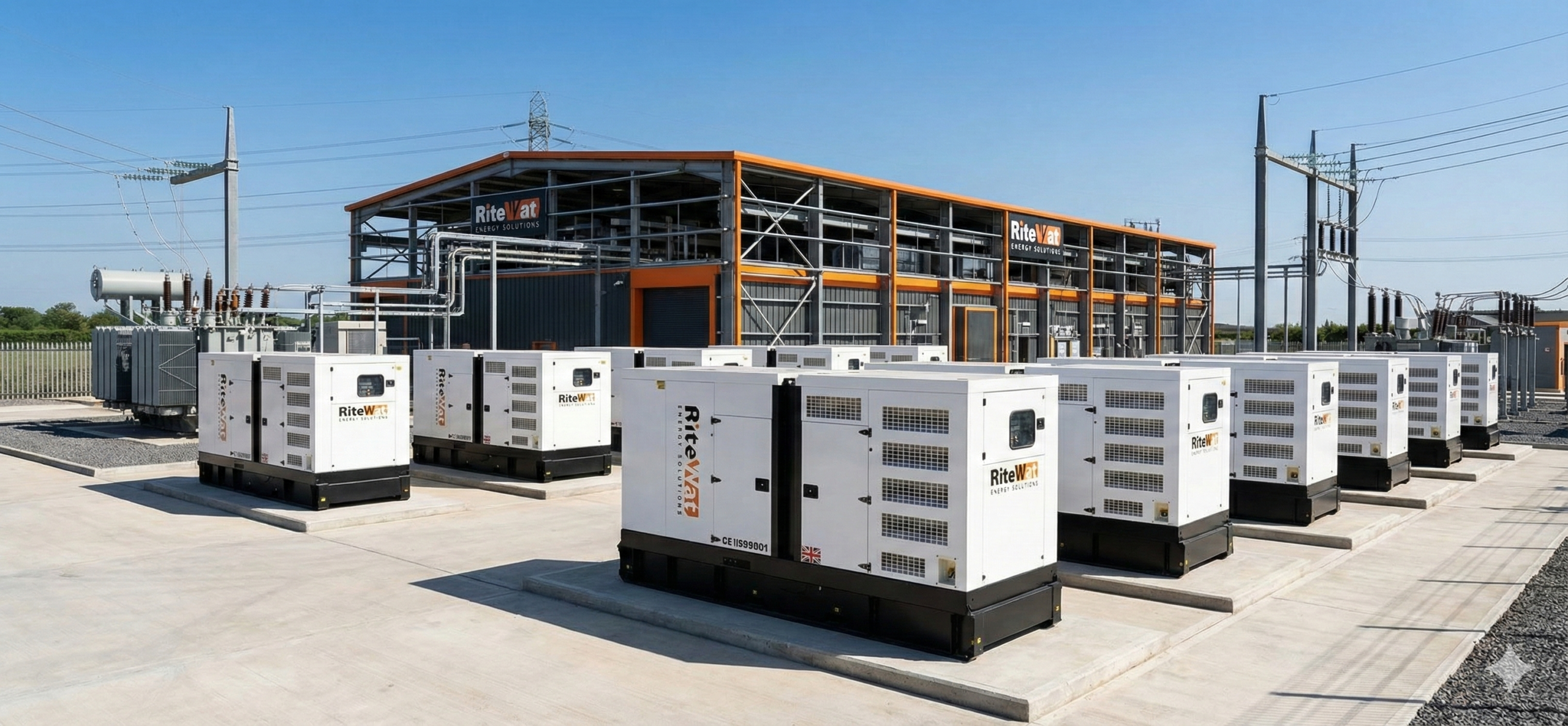
Best Generator Brands for Harsh Environments: Top Picks Guide
Generator Buying Guide Best Generator Brands for Harsh Environments When outages threaten operations, the right generator choice matters more than price. You need machines built to resist dust, extreme heat, salt air and long run times, backed by service and spare parts where you operate. This guide compares the strongest generator brands for Africa and the Gulf, then shows how to match them to telecom, construction, industrial and event power needs. Request a Quote View Generator Range Powering Industries, Empowering Growth Do not buy only on price. In harsh climates, uptime depends on proper specification, support and component quality. Cooling capacity for high ambient temperatures Air filtration for dust-heavy sites Anti-corrosion protection for coastal locations Local service, spare parts and commissioning support Harsh Environment Planning Why brand matters in harsh environments Harsh environments shorten equipment life, increase maintenance and raise the risk of failure. Brands that design for tropicalization, heavy dust, salt corrosion and high ambient temperatures reduce downtime and lifecycle cost. Look for robust cooling systems, sealed and coated enclosures, high-capacity air filtration, fuel-system protection and a strong local service network. Specify against the real site risks Dust, heat, humidity, salt air and altitude are the main forces that expose weak generator packages. Dust Pre-filtration and sealed intake planning Heat Radiator sizing and ambient rating Humidity Sealed systems and coating protection Salt Marine-grade coating and stainless fasteners Altitude Manufacturer derating confirmation Brand Comparison Top brands to consider and why There is no single perfect brand for every site. The right choice depends on duty cycle, climate exposure, support network and how expensive downtime is for the operation. Heavy-duty sites Caterpillar CAT Proven in mining, oil and gas, CAT units offer heavy-duty cooling, corrosion-resistant finishes and extensive regional dealer networks. They are ideal where spare parts availability and support speed are critical. Prime duty Cummins Cummins balances rugged design with strong global support. Their engines and alternators handle long prime-duty cycles, with options for tropicalization, filtration upgrades and remote monitoring. Industrial power MTU MTU focuses on high-performance industrial applications, delivering compact packages with strong heat management for high-temperature Gulf conditions and critical prime power. Engine platforms Perkins and Volvo Penta Both brands provide modular engines used by multiple genset manufacturers and are known for reliable operation in dusty or hot conditions when paired with the right cooling and filtration packages. Commercial sites Kohler and FG Wilson Kohler and FG Wilson offer mature ranges for commercial buildings and telecom sites, with robust enclosures, optional salt-spray coatings and cost-effective service packages for remote sites. Telecom and events Specialist suppliers For telecom shelters and lighting towers, choose suppliers offering purpose-built small-frame units, sound-attenuating weatherproof canopies and integrated battery charging solutions. Specification Discipline How to choose the right brand and model A strong brand can still fail if the unit is badly specified. Match the generator package to the environment before comparing quotes. Match design to environment High dust: oversized air intake, cyclone pre-filters and positive-cab pressurisation. High heat: upgraded radiators, higher ambient-rated fans and derating guidance from the manufacturer. Coastal or salt-air: marine-grade coatings, stainless fasteners and sealed cable entries. Remote sites: remote monitoring, high-capacity tanks and reliable spare-parts availability. Duty type and fuel Decide between standby, prime or continuous duty. Prime power requires different cooling and service intervals. For long remote runs, fuel management and high-capacity tanks matter. Service network and parts A brand with local dealers and parts stocks in Africa or the Gulf reduces downtime. Check spare-part lead times and whether the generator supports remote diagnostics. Total cost of ownership Factor in fuel efficiency, maintenance intervals, expected life under harsh conditions and resale value. A higher upfront cost can be cheaper across five years. Buyer Checklist Practical checklist before you buy Use this list before signing off a purchase order. It catches the issues that usually get ignored until the generator is already on site. Confirm ambient temperature rating and any required derating. Ask for tropicalization and dust or marine protection options. Verify warranty terms under harsh-use conditions. Confirm local support, spare parts lead times and on-site commissioning options. Request test reports showing performance at expected altitude and temperature. FAQ Frequently asked questions Which brand is best for corrosive, salt-air coastal sites? Choose brands offering marine-grade coatings, stainless fasteners and sealed enclosures. Manufacturers that sell marine or coastal packages are preferable. Are cheaper Chinese brands suitable for harsh environments? Some lower-cost brands can work if properly specified and upgraded, but they often need additional protection and a verified local service partner to match reliability standards of top global brands. How important is the dealer network in Africa and the Gulf? Critical. Fast access to spare parts and trained technicians reduces downtime. Prioritise brands with active regional representation or reliable local distributors. Do I need remote monitoring for harsh sites? Yes. Remote telemetry allows early fault detection and reduces site visits, which matters where access is difficult or costly. Can lighting towers handle desert dust and high winds? Select purpose-built lighting towers with reinforced masts, sealed luminaire housings and pre-filtered intakes to perform reliably in desert conditions. Reality Check Objections and reality checks You may worry about higher capital cost. The blunt answer: a cheap generator that fails during a critical outage is not a saving. For mission-critical sites, a properly specified unit reduces emergency repairs, unplanned outages and lost revenue. RiteWat Support How RiteWat helps B2B buyers RiteWat sources high-quality diesel generators and energy solutions, offering tailored quotes, warehousing and technical support for Africa and the Gulf. Start with a site survey and a duty profile so the generator can be matched to your climate, run hours and service constraints. Ready to specify reliable power? Contact RiteWat for a bespoke consultation, fast quotes and options built for harsh environments. Request a Quote Explore Products Conclusion Choose the generator that keeps running under pressure Choosing the right generator brand for harsh environments comes down to climate exposure, duty cycle, local service support and total cost of ownership. The strongest choice
Best Generator Brands for Harsh Environments: Top Picks Guide Read More »